America is celebrating its 250th birthday this year. There will be fireworks. There will be flags. There will be festivals, parades, speeches, concerts, red-white-and-blue desserts, and probably enough patriotic bunting to wrap around the country twice. And I am here for it. But all of this celebrating has me thinking about something else.
Where does America’s story actually begin?
Most of us were taught to begin with Jamestown. Or Plymouth. Or the signing of the Declaration of Independence in 1776. But here is the thing: by the time the Declaration of Independence was signed, St. Augustine was 211 years old. The town was founded in 1565 – 42 years before Jamestown and 55 years before Plymouth. Now, before somebody gets upset with me, I am not saying that America’s entire story belongs to St. Augustine. It does not.
Indigenous people lived on this land long before Europeans arrived, and America’s story is much too large, complicated, and layered to belong to one city. What I am saying is that the story did not suddenly begin in 1776. And it did not begin with the tidy little timeline many of us learned in school.
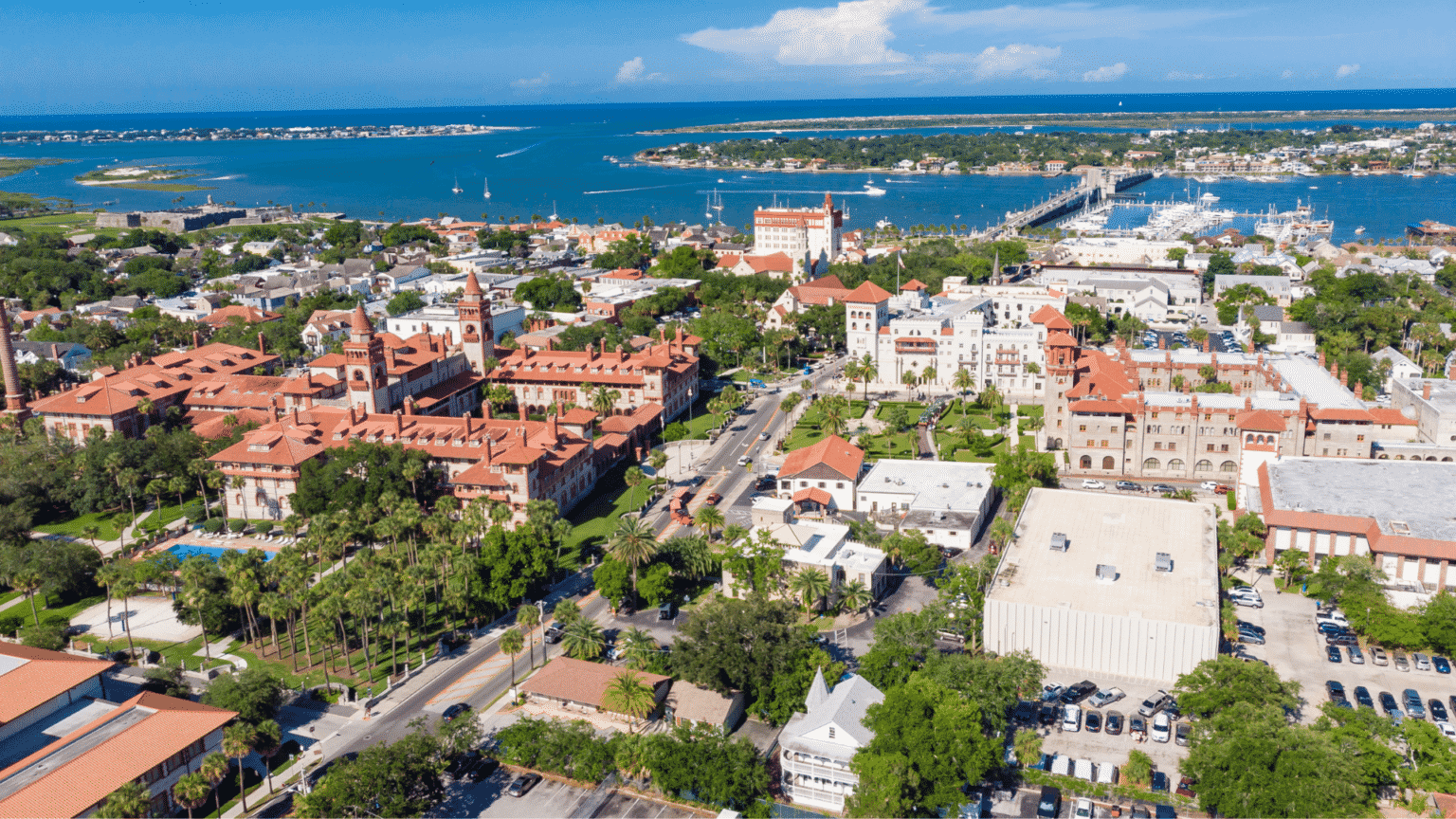
That is one of the reasons I believe this is the perfect year to visit St. Augustine. Because St. Augustine is not simply a beautiful old city with brick streets, museums, wonderful restaurants, and horse-drawn carriages. It is one of the places where America’s story is still visible.
You can walk through Spanish history, Indigenous history, free Black history, military history, faith history, emancipation history, and civil rights history—all in one remarkably walkable city. And when I say walkable, I mean it. On our last visit, Jim and I walked more than 10 miles. Ten. Miles. Now, I did not wake up that morning and announce, “Jim, let’s walk 10 miles today.” That would never happen. We walked to one place. Then we saw something else. Then I remembered another place I wanted to stop. Then we were close to lunch. Then we were already in the neighborhood. Then somebody mentioned something around the corner. And that, my friends, is how you walk 10 miles in St. Augustine without realizing what has happened to you.

St. Augustine Is Beautiful—but That Is Not the Whole Story
St. Augustine is very easy to love. The waterfront is lovely.
The old buildings are beautiful. The courtyards, narrow streets, churches, museums, inns, galleries, and restaurants make the city feel unlike anywhere else in Florida. You can hear the clip-clop of a carriage, watch the boats on Matanzas Bay, stop for a glass of wine, wander into a shop you did not plan to visit, and somehow lose an entire afternoon. That is all part of the charm.
But the real reason St. Augustine matters is not simply because it is old and pretty. It matters because history is not hidden away there. It is everywhere. It is under your feet. It is inside buildings you may have walked past a dozen times. It is along the waterfront.
It is in the churches. It is in Lincolnville. It is in the Plaza. It is behind gates, inside courtyards, and on streets where people are usually more concerned with finding lunch than thinking about what happened there 50, 100, 200, or 400 years ago. And trust me, I understand the lunch issue.
But that is one of the things I love most about St. Augustine. You do not have to choose between history and having a good time.
You can spend the morning at the Castillo de San Marcos, have a fabulous lunch, visit a museum, wander through a historic neighborhood, stop for wine, and finish the day with dinner somewhere memorable.
That is my kind of history lesson.
It is behind gates, inside courtyards, and on streets where people are usually more concerned with finding lunch than thinking about what happened there 50, 100, 200, or 400 years ago. And trust me, I understand the lunch issue. But that is one of the things I love most about St. Augustine. You do not have to choose between history and having a good time. You can spend the morning at the Castillo de San Marcos, have a fabulous lunch, visit a museum, wander through a historic neighborhood, stop for wine, and finish the day with dinner somewhere memorable. That is my kind of history lesson.
The History Is Not Neat—and That Is Why It Matters
St. Augustine has been shaped by different nations, different governments, different cultures, different faiths, and different ideas of freedom and power. It has been Spanish. It has been British. It became Spanish again. Then it became American. It has been a military stronghold, a colonial settlement, a refuge, a prison, a resort town, a civil rights battleground, and a tourism destination.
That is a lot for one city to carry.
You can stand at the Castillo de San Marcos and think about military power, empire, conflict, imprisonment, and survival. You can visit Fort Mose and learn about the first legally sanctioned free Black settlement in what became the United States.
And no, Fort Mose is not some tiny side note. Its story changes the way many people understand slavery, freedom, and early America. People escaping slavery in the British colonies traveled south toward Spanish Florida, where they could sometimes gain freedom in exchange for conversion to Catholicism and service to the Spanish Crown. That is not the version of colonial America many of us were taught.
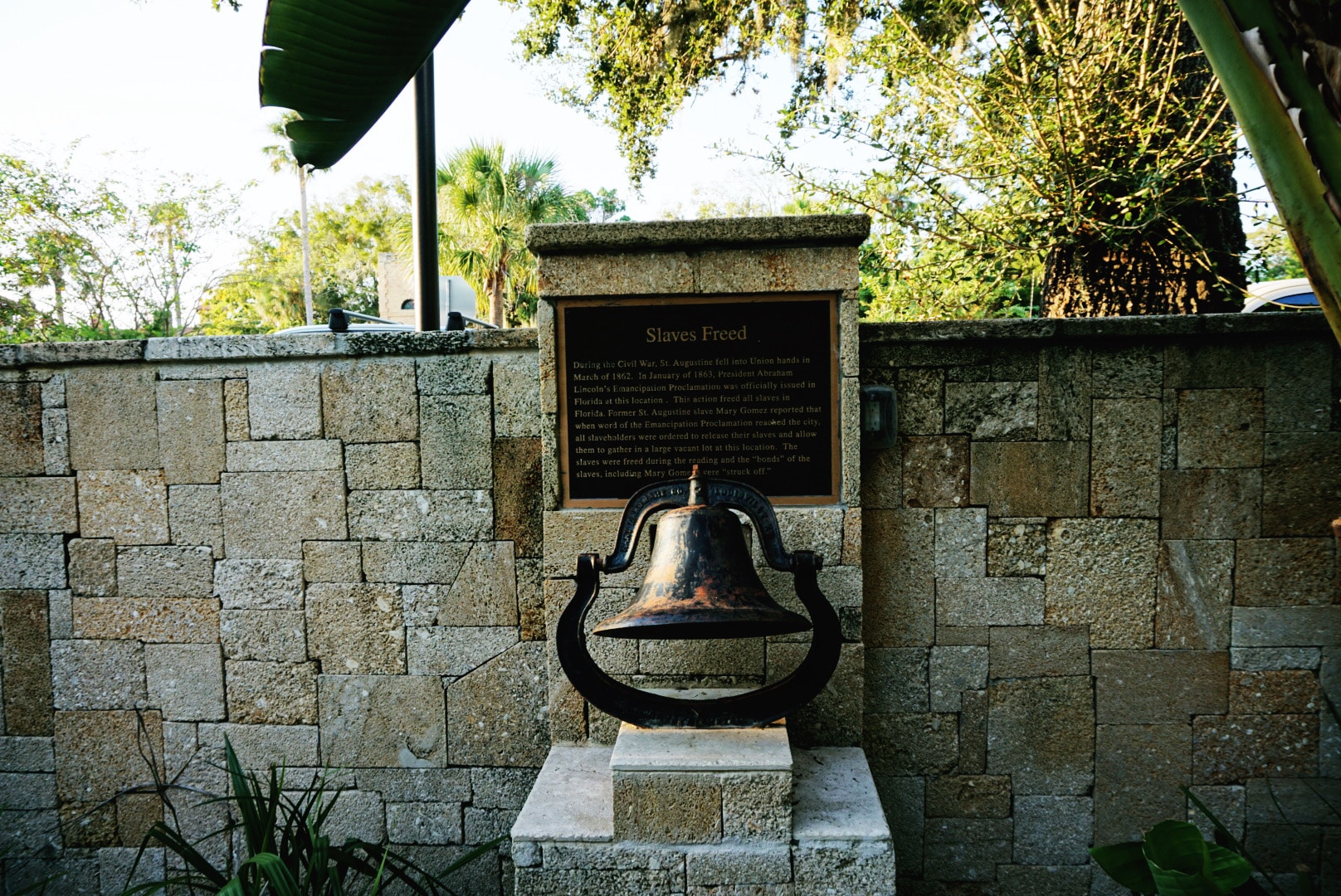
You can walk through Lincolnville, a community founded by formerly enslaved people after the Civil War, and learn how its churches, homes, streets, and residents became part of the civil rights movement nearly a century later. You can stand in the Plaza de la Constitución and remember that the same public space has witnessed colonial ceremonies, commerce, protests, celebrations, conflict, and change.
You can enter churches that have served generations of people and stood through fire, war, rebuilding, segregation, protest, and social change. That is why I keep saying St. Augustine is not just a pretty historic city. It is a place where the layers remain visible.
America 250 Gives Us a Reason to Look Back Further
I love a good birthday celebration. I love fireworks. I love flags. I love a reason to gather people together, eat something good, and raise a glass. But America’s 250th birthday also gives us a reason to look beyond 1776. It gives us a reason to ask what came before. Who was already here? Who arrived next? Who held power? Who lost it? Who fought for freedom? Who was left out of the version we learned?
How did Spanish, British, Indigenous, African, Caribbean, and American stories all collide in one place? Those are not abstract questions in St. Augustine. You can go to the places where those stories unfolded. And that makes the history feel different. It becomes real. It becomes human. It becomes something you can stand inside.
You Are Not Going to See St. Augustine in One Weekend
Can you visit St. Augustine for a weekend? Absolutely. Can you see all of St. Augustine in one weekend? Absolutely not. And please do not try. You will make yourself miserable. A two- or three-day trip can give you a wonderful introduction. You can visit several important historic sites, enjoy great food, walk through the historic district, spend time near the water, and perhaps even visit the beach.
But St. Augustine is not a one-and-done kind of place. The more you learn, the more you notice. A building you walked past on your first trip becomes the reason for your second. A story you heard during a tour sends you searching for a neighborhood. A church, cemetery, fort, old hotel, museum, or restaurant opens another door. That is how St. Augustine works. You arrive thinking you are going to “do St. Augustine.” Then you discover that St. Augustine is not interested in being done.
My advice is to choose a theme. One trip might focus on Spanish colonial history and the Castillo. Another might focus on Fort Mose, Lincolnville, and Black history. Another might center on churches, cemeteries, faith, and architecture. Another might be all about Henry Flagler, the grand hotels, museums, food, and the Gilded Age. And another may simply be built around where you want to eat. I fully support that option.
St. Augustine Rewards People Who Wander
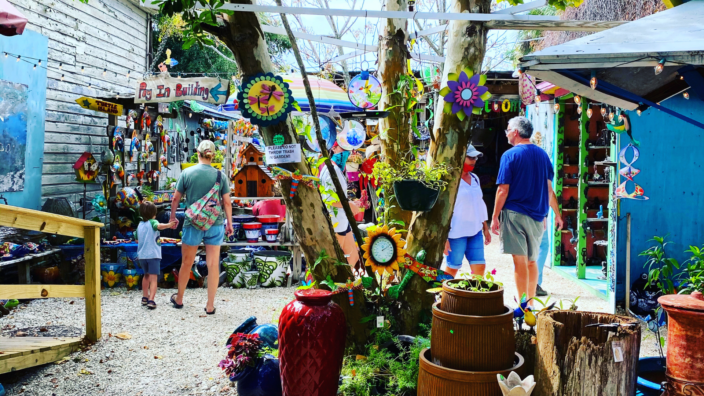
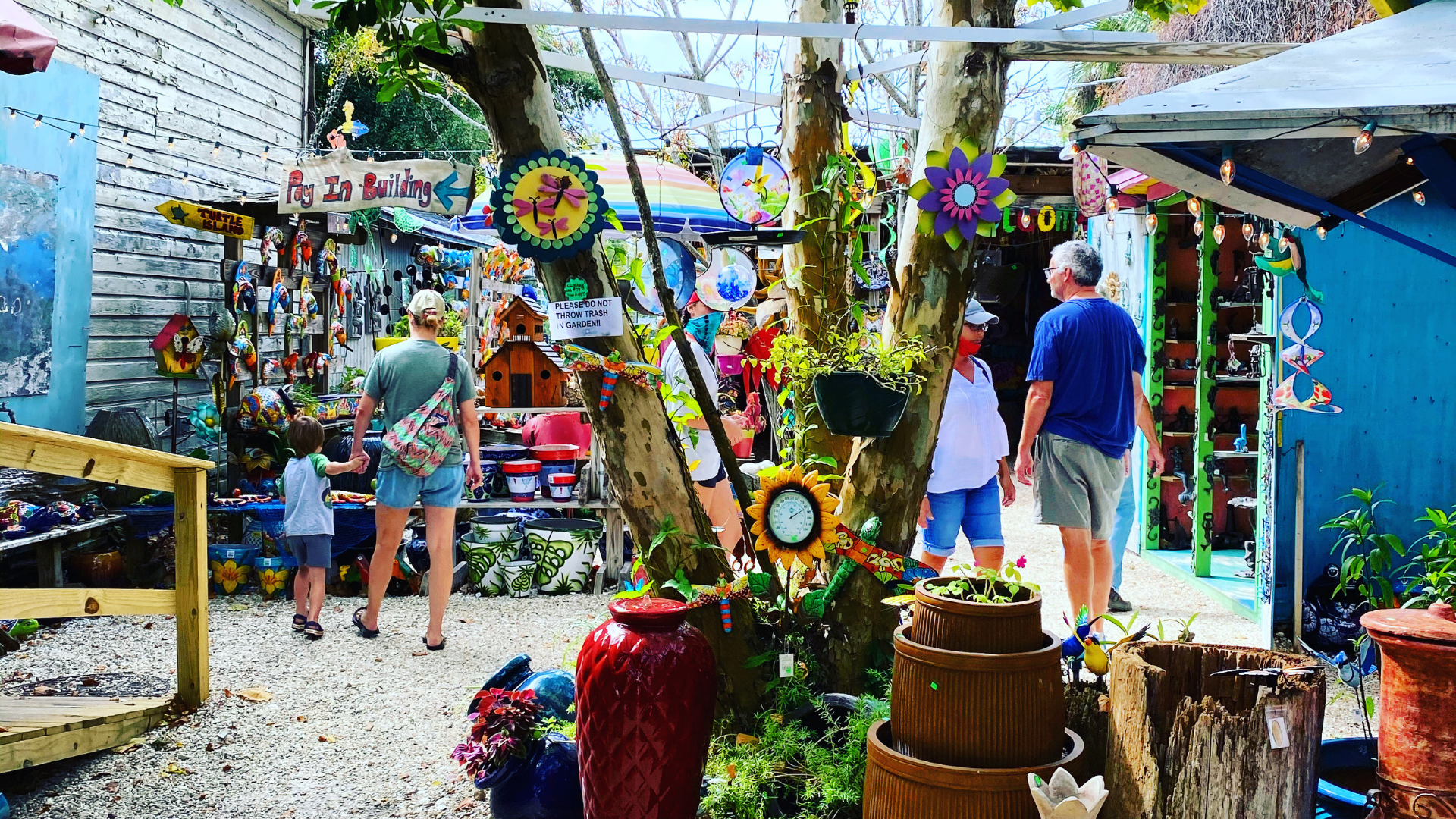
Some destinations are easy to experience from a checklist. Go here. Take the picture. Eat the famous thing. Move on. St. Augustine does not work that way. St. Augustine rewards wandering. You may leave your hotel planning to visit one museum and end up in a church, a courtyard, a gallery, a cemetery, or a building whose story changes the rest of your day. You may hear something over lunch and decide you need to go find the place where it happened. You may turn down a street because it looks interesting. You may stop for coffee and lose an hour talking to someone. You may decide that one more block cannot possibly hurt. It can. That is how the 10 miles happen. But it is also how you find the stories you remember. And that is the difference between simply visiting a place and falling in love with it.
People do not fall in love with destinations because of a list of services. They fall in love with a story. They remember the person they met. The meal they did not expect. The building they almost walked past. The strange little detail that sent them down a rabbit hold. The story they brought home. That is what St. Augustine gives you.
What to Pack for St. Augustine
Now, because Jim and I walked more than 10 miles, I am going to tell you something very important. Do not bring brand-new shoes. I do not care how cute they are. I do not care how perfect they look with your outfit. I do not care if the salesperson told you they would be “comfortable once you break them in.” St. Augustine is not where you break them in. The historic district includes brick streets, uneven sidewalks, steps, curbs, narrow passages, courtyards, and all kinds of tempting little detours.
Florida weather can change quickly. You may leave your hotel in blazing sunshine and get caught in a downpour later. You may spend hours outside in the heat and then walk into a restaurant that feels like a meat locker. You may decide to visit the beach. You may change clothes for dinner. You may walk much farther than you ever intended.
The secret is not packing more. It is packing for:
- walking
- weather
- layers
- flexibility
That is exactly why I created a free St. Augustine Packing List Guide. Inside, you will find women’s and men’s packing lists, shared travel essentials, a printable checklist, my color-palette packing method, four steps for stress-free packing, and both rolling and packing-cube options. I also included suggestions for how I would spend a first day in St. Augustine. Because once I start telling you what to pack, apparently I also want to tell you where to go. That is just who I am.
DOWNLOAD THE FREE ST. AUGUSTINE PACKING LIST GUIDE
Go Beyond the Postcard Version
When I wrote Oldest St. Augustine: A Guide to Historic Treasures, I did not try to include every building, every date, every battle, every person, or every historical detail. That would have required an encyclopedia. And probably several volumes.
Instead, I chose 86 places that help tell the larger story of the city. Some are famous. Some are easy to overlook. Some are places people walk past without realizing why they matter. Together, they reveal why St. Augustine is important—not simply as a charming Florida getaway, but as part of America’s long, complicated, fascinating story.
You can read the book before your trip and decide what interests you most. You can carry it with you while you explore. Or you can read it after you come home and realize just how much you missed. Because you will miss something. We all do. That is why we go back.
EXPLORE OLDEST ST. AUGUSTINE
This Is the Year to Go
America is 250 years old. St. Augustine has been here much longer. That makes this the perfect year to visit. Go for the history.
Go for the architecture. Go for the churches, forts, plazas, museums, neighborhoods, and stories. Go for the waterfront. Go for the food. Definitely go for the food. Go because St. Augustine reminds us that America’s story did not begin in one place, at one moment, with one group of people. It unfolded over centuries. And in St. Augustine, so many of those layers are still there—waiting for you to notice them. Just remember your comfortable shoes. You are going to need them.